
The Ringer's Netflix Deal Will Change the Schedule Before It Changes a Review
Spotify licensed seventeen Ringer podcasts to Netflix this year, non-exclusively, starting with a US rollout. One of them is The Big Picture, a show about movies. Netflix makes movies. Sean Fennessey, who co-hosts it, said the obvious thing out loud in an interview with Sam Fragoso on Talk Easy: "I think there's an inherent conflict with the work that we're doing. I don't think it totally makes sense for a show that's covering films released by Netflix to be licensed non-exclusively to Netflix — but it wasn't my decision, so we're working within that reality." He is right. The interesting part is the second half of that sentence.
Everyone will now go looking for a soft review of a Netflix release. That is the wrong place to look. A conflict like this shows up as volume long before it shows up as an adjective — how many episodes a title gets, how early in the week, how long the segment runs, which of two films makes the schedule at all. Measuring that is most of my research life. In a study published this year in Political Research Quarterly with Valerie Martinez-Ebers and Aida Ramusovic, we tracked how much Fox, CNN and MSNBC covered race stories and COVID stories, and whether each network's coverage frequency moved in response to the other two. It moved, and it moved differently depending on the topic. Fox raised its race-story coverage when competitors were already on the story. CNN's went the other way. None of that requires a single person in a single newsroom to hold a bad-faith opinion. We studied competitors, not distribution partners, so I am not claiming the finding transfers to Spotify and Netflix. What transfers is the method. Count the coverage, not the tone.
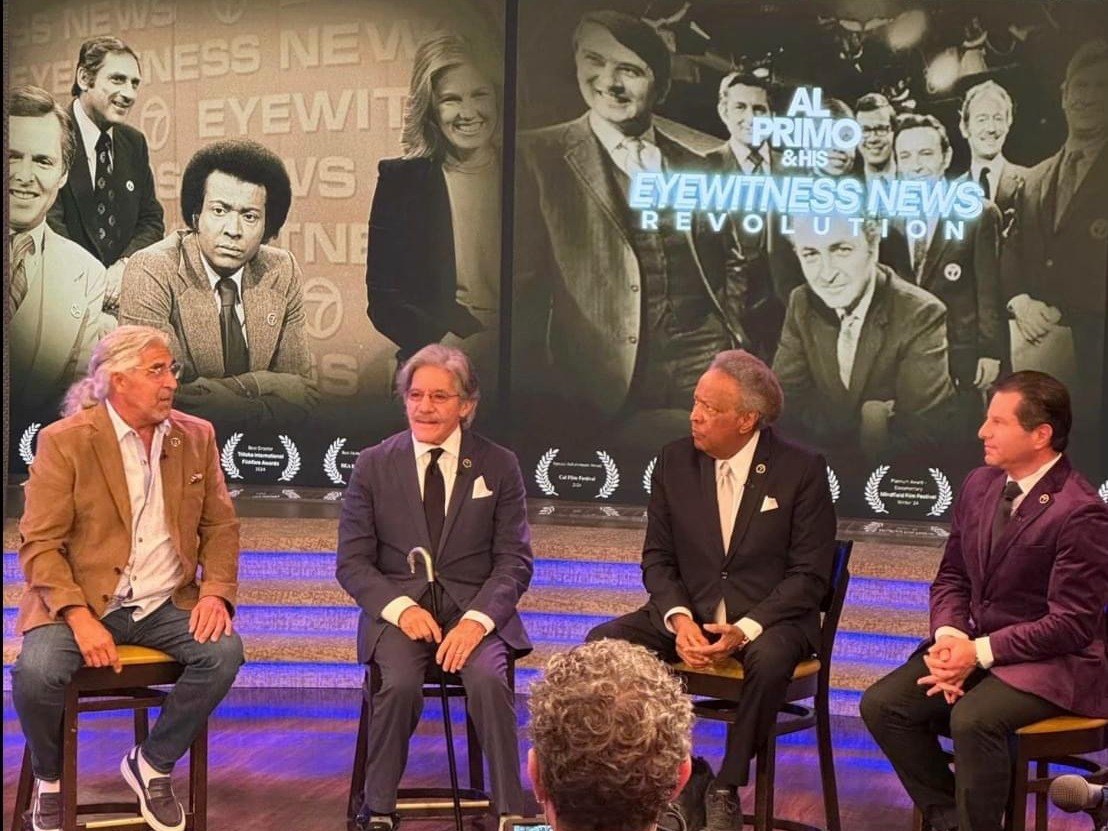
I know the production half of this from doing it. John Johnson Reporting is a film about a man who anchored at WABC, WCBS and WNBC, and nearly everything that survives of his work sits in archives ABC and Disney control. We negotiated access chapter by chapter. Nobody ever sent a note about the edit. What happened was quieter than that. Some material cleared, some did not, and the film that exists is the one the archive allowed. From the inside it feels like scheduling and budget. You make a hundred small calls about what is worth chasing, and the ones you quietly stop chasing are the ones nobody will ever see you decline.
The same interview contains the sharper version of the problem. Bill Simmons has been using ChatGPT on The Rewatchables to produce what Roger Ebert supposedly would have thought about films released after Ebert died in 2013, while ChatGPT sits as a presenting sponsor across Ringer shows. Fennessey said he objected: "I don't like it. I've told Bill I don't like it. It's not my decision." Look at that as a rights question and it gets very familiar. To put thirty seconds of a dead journalist's on-air work in a documentary, I have to find who holds it and get a signature. To generate an unlimited supply of that same journalist's opinions about films he never saw, nobody has to sign anything. Ebert cannot say "it wasn't my decision." That is the whole gap, and it is going to swallow a lot of archive value before anyone writes a rule about it.
Fennessey's move is the one most of us actually have. Name the constraint in public and keep working inside it. Every documentary producer I know is one signature from the same spot — a funder who owns a distributor, an archive holder who is also a subject, a platform that pays for the show and sells the thing the show is about. Purity is not on the menu at this budget level. The fix is saying what the deal is, at the time you sign it, in the work. An audience can price a constraint it has been told about. It cannot price one it never hears.