
Why Jimmy Kimmel Moved the Talarico Interview to YouTube
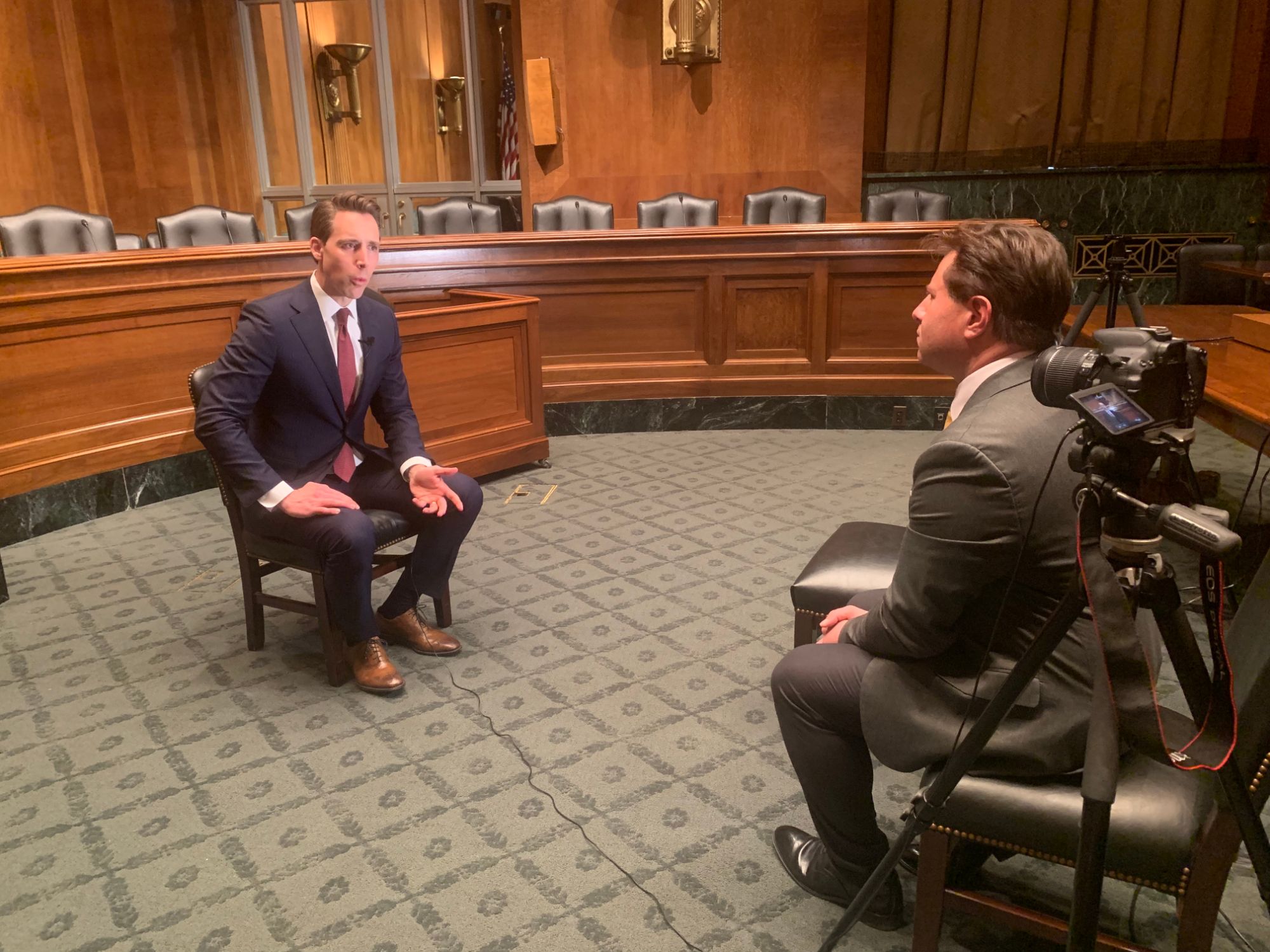
Jimmy Kimmel taped an interview with Texas Senate candidate James Talarico on September 10 and told his audience it will never air on ABC. "Out of consideration for our local stations, especially our ABC affiliates in Texas who would have to deal with this nonsense, my interview tomorrow with James Talarico will not air on television," he said in his September 9 monologue, per Variety. It goes to the show's YouTube channel instead. Kimmel has booked candidates for more than twenty years, Donald Trump among them in 2015. What changed is who pays if the FCC decides a booking was a problem.
Who actually carries the risk
Follow the paperwork and it stops at the affiliates. Talarico sat for about ten minutes on The View on February 2. The FCC opened a review of whether the show still qualifies for the bona fide news interview exemption that keeps a candidate appearance from triggering Section 315. Within three weeks, nineteen ABC affiliates across Texas filed equal-time notices — Abilene, Amarillo, Waco, San Angelo, Wichita Falls, Laredo, on down the list. Every one of them was independently owned. KTRK in Houston, the only ABC station Disney owns in Texas, filed nothing.
That split is the whole mechanism. Disney can fight: it sued the FCC on August 18 over Brendan Carr's April order pulling eight of its station licences into early renewal review, four years ahead of schedule, and its complaint calls the campaign an "existential threat." A licensee in San Angelo does not sue. It logs the time, finds the inventory, and hopes the file stays clean. I have done candidate interviews for local stations in Missouri and Ohio, and inside a building the equal-time question shows up as a traffic problem for two people in a sales office who had no say in what New York or Los Angeles booked. Nobody there calls it a First Amendment debate. Kimmel read that correctly and pulled the segment.
Does YouTube reach more people than ABC?
On raw count, easily. Jimmy Kimmel Live averaged 2.62 million viewers across the full season, up 34 percent and its best year since 2014-15. The show's YouTube channel has cleared 281 million views in 2026, with monologues averaging about 4.4 million each. The precedent is sitting right there too. CBS lawyers stopped Stephen Colbert from broadcasting his own Talarico interview in February over the same equal-time exposure; the clip went out on YouTube, passed nine million views, took another four million on TikTok, and Talarico said it brought in $2.5 million in donations. Read only those numbers and you would conclude the FCC did the candidate a favour.
What Carson's numbers say about the audience that just left
This is the question I worked through for the Carson book, matching Gallup presidential approval against Johnny Carson's own monologue and interview references from 1972 to 1992. Nixon and Watergate are the clearest case, and the pattern pointed one way: Carson amplified stories rather than starting them. What he could do was make a subject sayable for a mass audience that had assembled for something else entirely. Nobody tuned in at 11:30 to hear about Watergate. They heard about it anyway, and after that it was permissible to think the president was finished.
A YouTube view is a decision. Somebody searched, or a feed served the clip to a person who already follows that fight. The $2.5 million Talarico raised in a day is a mobilisation number, and mobilisation runs on people who agreed with you before they pressed play. Broadcast still supplies one thing the platforms cannot: the viewer who left the set on. Persuasion needs that person. So does agenda-setting, which is most of what my research on coverage volume across competing networks has been about. A regulator who moves a segment to YouTube removes the incidental audience without editing a syllable.
So the licence is quietly becoming a liability for national political talk, and the bill goes to the wrong desk. Station groups lose the programming and keep the exposure. Nineteen Texas licensees filed notices over a booking made a couple of thousand miles away, and the next time a network weighs a candidate interview, those nineteen files are what it will be weighing. Any broadcaster who thinks this is a late-night story should count how many of the nineteen were Disney's. One number does that work: zero.